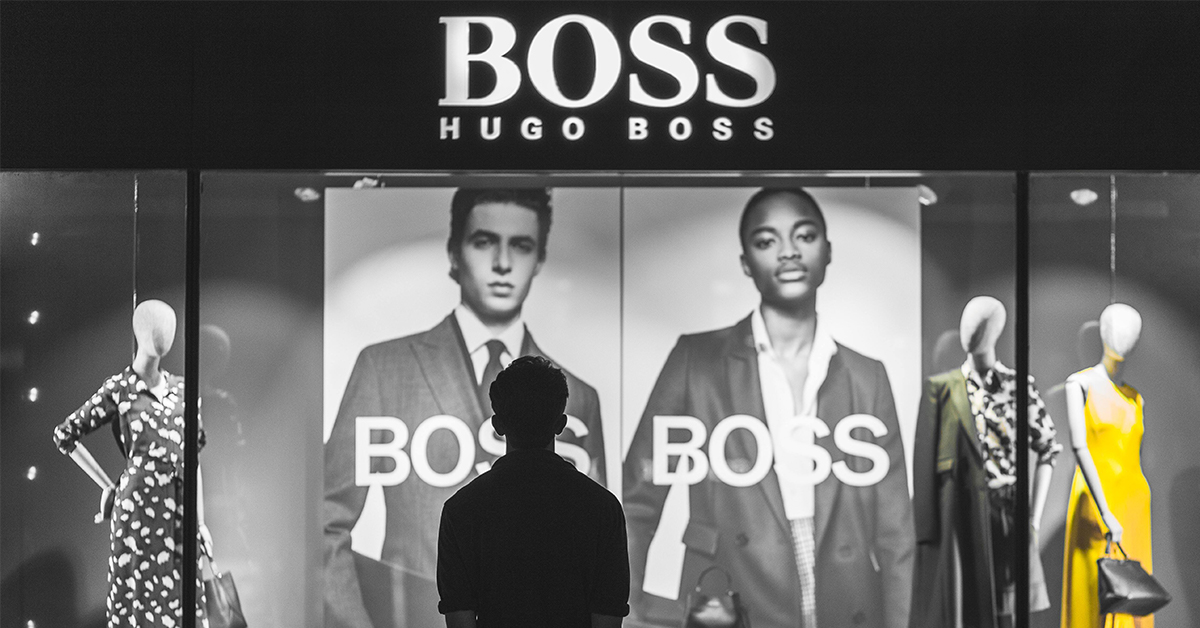
Brands and its image exist only in the brain
How does your target group perceive your brand? What do they associate your brand with and how do you change this? Are your brand associations sufficiently distinctive compared to your competition's? Does the brand identity match with the needs, wishes and core values of your target group? Do your marcom campaigns have the desired effects on brand image? Which associations ensure that NPS increases?
Image plays a major role in the choices consumers make, often, consumers' choices are not rational. Questioning consumers could lead to misleading results. Therefore, it's best to measure brand image directly in consumers' brains: the place where brands and their images exist.
Neuro image research: quick turnaround - results within 5-7 work days
Proven to be effective
10+ yearresearch
120+brands researched
500+ associations measured
Neurensics uses the scientifically proven NeuroBranding method to conduct image research. This method consists of the Rapid Implicit Association Task (RIAT) technique; a quantitative measurement of (the strength of) brand associations.
The results of brand image research enable you to make informed tactical and strategic decisions.
RIAT
We will take care of everything.
Your convenience is important to us.
After discussing your research questions, all you have to do is provide the images.
We'll do the rest.
Why use image research?
With image research you will learn:
- Customers and non-customers' perception of your brand and establishment.
- Opportunities for brand identity which relate to the needs of your target group(s).
- The distinctiveness of your brand as compared to your competition's.
- Existing opportunities unidentified by your competitor.
- Existing associations consumers have with your brand and how you can change them.
- Associations for increasing NPS.
Do you have different questions? Please contact us to see how we can help you.
Together with Neurensics we've investigated which (un)conscious motives lie inside people who never switch energy suppliers. The implicit association study yielded valuable insights into the factors that make behavioural change possible. This resulted in a successful campaign by iChoosr and Vereniging Eigen Huis. Matthijs van Waveren, International Marketing Manager, iChoosr
Our approach
With scientifically proven qualitative and quantitative research methods, we measure the image of your brand in the unconscious mind: the place where consumers' choices are made.
- Listing relevant brand associations
Together, we draw up a list of brand associations relevant to your brand's category and select competitors to include in the study. - Cluster analysis of associations for behavioural intent
In a preliminary study, we use a cluster analysis to determine the associations relevant for behavioural intent, such as purchase intention or NPS. - Measuring the associations in consumers' unconscious minds
After listing bran associations, the associations are measured with RIAT: a quantitative association test with time pressure. In RIAT, participants have to indicate whether an association fits a brand as quickly as possible. By doing so, we eliminate conscious thinking and over-rationalisation and measure the degree of 'embeddedness' of each association in consumers' brains. - Identifying growth-promoting associations
We determine which associations fit your brand and on which associations could promote brand growth. Interestingly, this step also reveals the 'Achilles heel' of your competitor's branding strategies.
What's in it for you?
Within 5-7 work days you'll receive:
- A clear report containing the results and answers to your research questions.
- Advice on how to achieve the desired brand image.
- Certainty that you are building a strong brand that leads to a top 3 position in consumers' minds (depending on media exposure).
These companies already use Neurensics to grow their brands